


Environmental and Green Building Benefits
Recycled Material Content
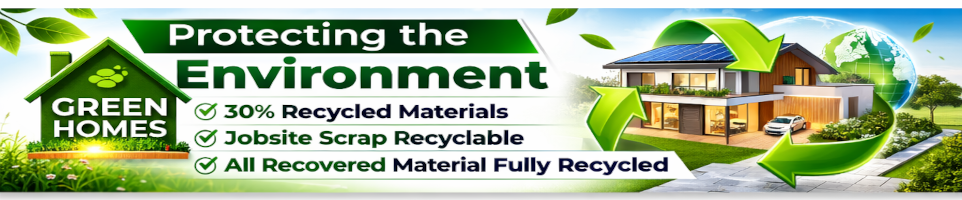
Many ICF products contain up to 30% recycled material, helping reduce demand for new raw plastics. This keeps usable material out of landfills and lowers the overall environmental impact of construction materials from the very start of the build process.
Minimal Jobsite Waste
Traditional construction often produces:
- Dumpsters of scrap wood
- Broken concrete blocks
- Excess packaging materials
ICF jobsites typically produce:
- Only a few garbage bags of waste
- Very little cut-off scrap
- Cleaner, safer working environments
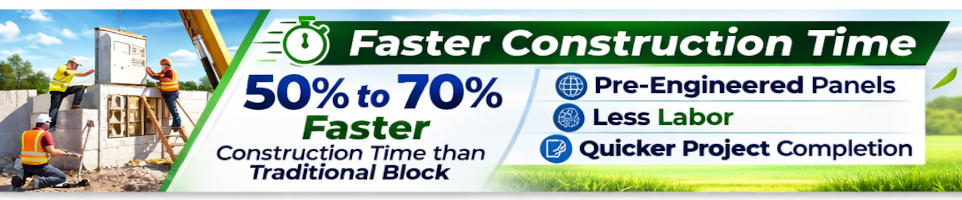
Because ICF forms are precision manufactured and modular, crews cut less material and throw away far less compared to traditional building methods.
Fully Recyclable Scrap
Unused or trimmed foam pieces can usually be recycled back into manufacturing, creating a closed-loop material cycle. This helps reduce overall construction waste and supports more sustainable supply chains.
Additional Environmental Benefits
Lower Lifetime Carbon Footprint
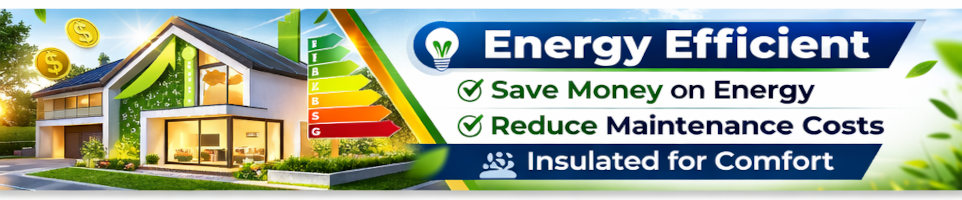
ICF homes dramatically reduce heating and cooling energy use. Over decades, this energy savings often offset the carbon footprint of producing the materials.
Long Building Lifespan
ICF structures commonly last 100+ years, reducing the need for demolition, rebuilding, and new material production over time.
Supports Net-Zero and Green Certification
ICF construction helps support:
- Net-zero energy home designs
- LEED-style green building standards
- High-performance building envelopes
Ideal For Sustainable Building Markets (Like Costa Rica)
Especially valuable for:
- Green home construction in tropical climates
- Sustainable coastal construction
- Eco-friendly residential and vacation homes
ICF performs well in humid environments, helping control moisture, mold risk, and long-term maintenance — all key environmental and health considerations.